
Description
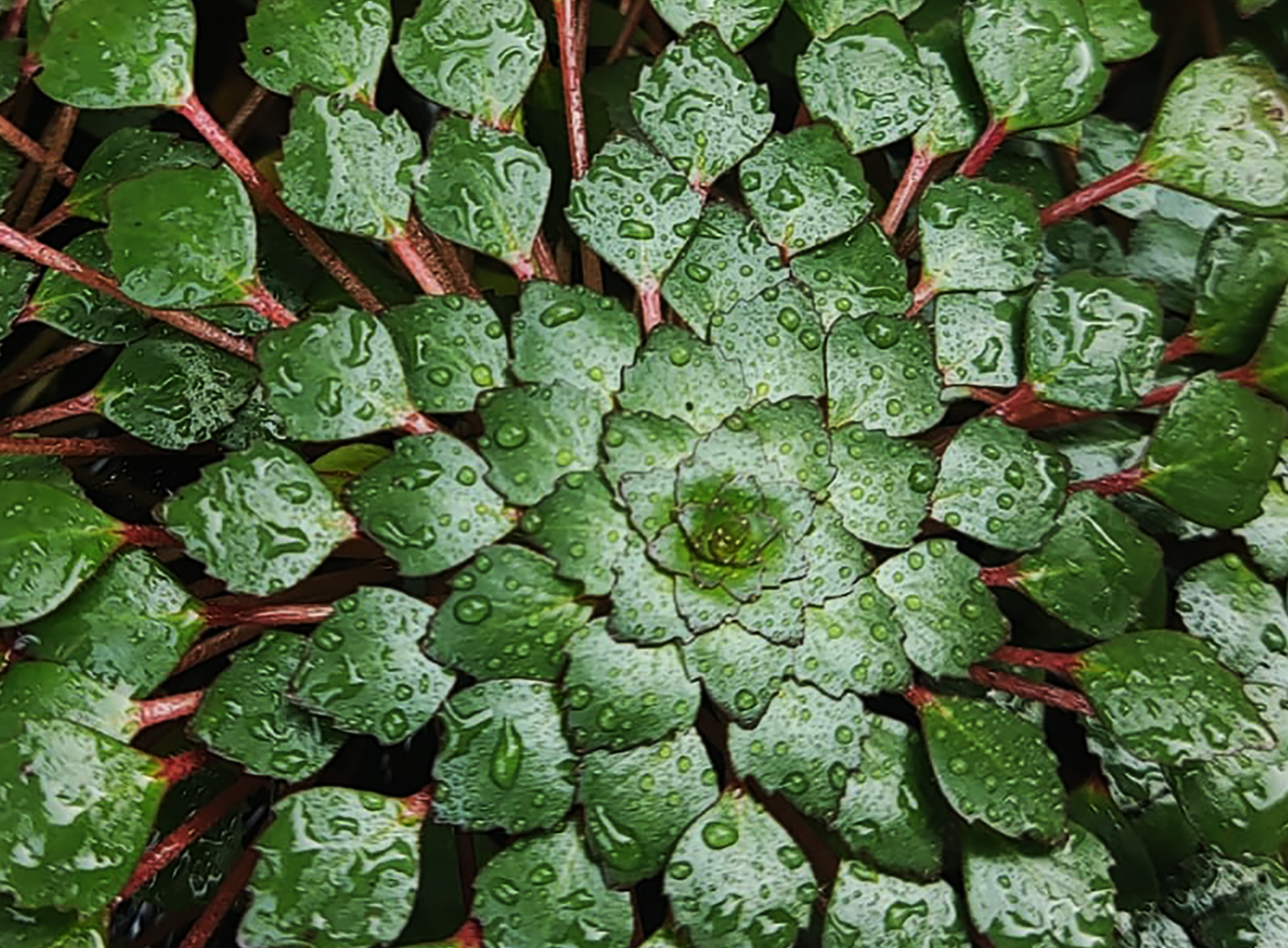
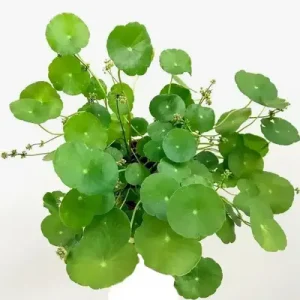
Ludwigia sedioides plant, commonly known as the Mosaic Plant or Mosaic Flower, offers significant ornamental and ecological value for ponds and large aquariums. Its primary features are a unique appearance and robust growth, which provide several benefits to an aquatic ecosystem.
Unique Appearance: The most striking feature is its leaves, which are diamond-shaped with toothed margins and radiate from a central stem to form a flat, circular, mosaic-like rosette on the water’s surface.
Vibrant Coloration: The leaves are typically green, but the edges of central and older leaves turn bright red or maroon under bright light or full sun, creating a beautiful contrast.Dynamic Foliage: The rosettes are sensitive to light and temperature changes, expanding during the day and contracting (overlapping) at night.
Brittle Stems: The stems are reddish and somewhat fragile, requiring careful handling and placement in areas with a gentle water flow.
Yellow Flowers: The plant produces small, bright yellow, cup-shaped flowers, usually during the summer months, which can attract pollinators in an outdoor setting.
Growth Habit: It is a floating stem plant that needs to be rooted in the substrate, but its leaves float on the surface, with a single plant’s rosettes capable of spreading up to 1-2 feet across.
Benefits of One Ludwigia sedioides Plant
High Ornamental Value: Its unique mosaic pattern and vibrant red/green colors make it a true showpiece, adding significant aesthetic appeal to water gardens, ponds, or large aquariums.
Improved Water Quality: Like many aquatic plants, it contributes to oxygenating the water and absorbs excess nutrients (nitrates and phosphates), which helps in natural filtration and can reduce the potential for harmful algae growth.
Provides Shelter: The floating rosettes and trailing roots offer a safe haven, shelter, and potential breeding grounds for smaller fish, fry, and shrimp, mimicking a natural habitat.
Easy to Grow (with proper light): Given sufficient light (moderate to high light conditions, ideally full sun) and an iron-rich or nutrient-dense substrate, the plant is relatively easy to care for and can grow at a fast to moderate rate.
Surface Cover: It provides quick surface coverage, which can help shade the water below and protect pond residents from predators.
Reviews
There are no reviews yet.